
Probiotics & pond care
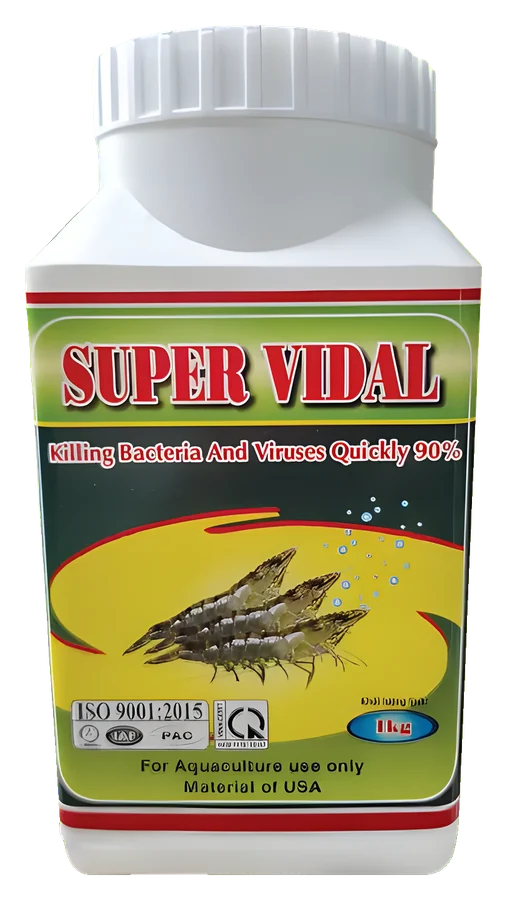
SUPER VIDAL
Helps thin and reduce algae in aquaculture pond water
View detailsBlack gill, yellow gill, black spot and fouling usually originate from a dirty pond bottom and high toxic gases combined with bacteria, fungi and protozoa attached to the gills and shell of the shrimp. Treatment must first clean up the environment, then kill the attached agents, and then help the shrimp moult to replace the shell.
Increase aeration, treat the bottom and toxic gases
Kill bacteria, fungi and gill-attached parasites at treatment doses
Re-inoculate probiotics after 2–3 days
Add minerals and vitamin C to help shrimp moult
Exact rates follow each product label and the condition of the pond. Contact thuocthuysannoben@gmail.com or WhatsApp +84 934 246 420 for technical advice.
Probiotics & pond care
Helps thin and reduce algae in aquaculture pond water
View details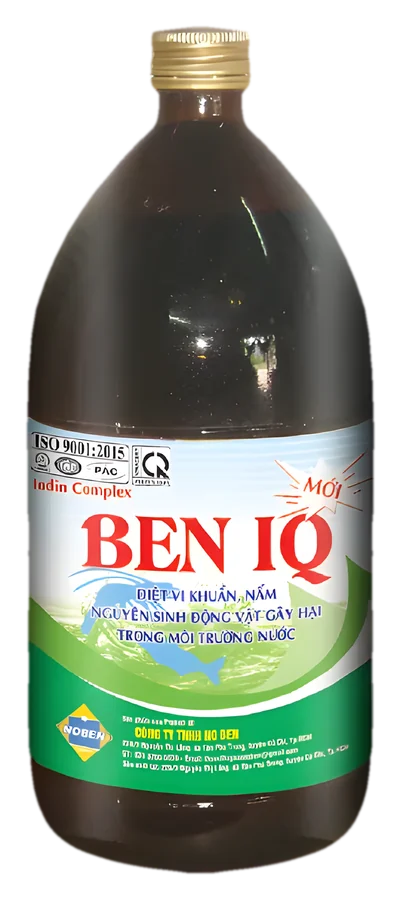
Probiotics & pond care
Disinfects the water source
View details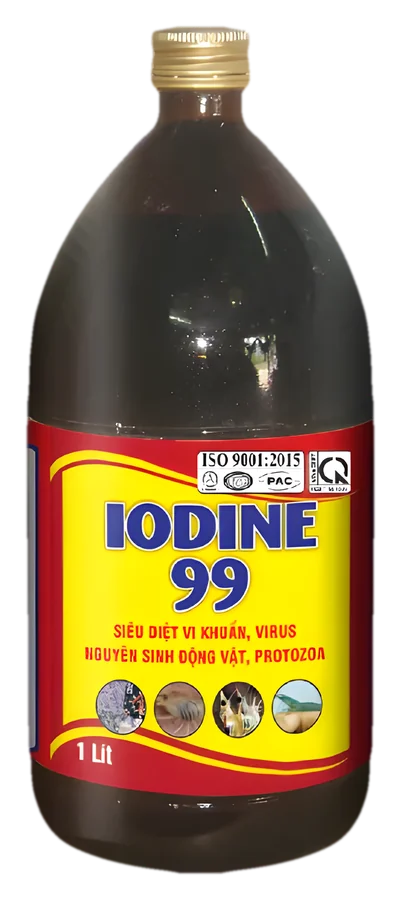
Probiotics & pond care
Disinfects the water source
View details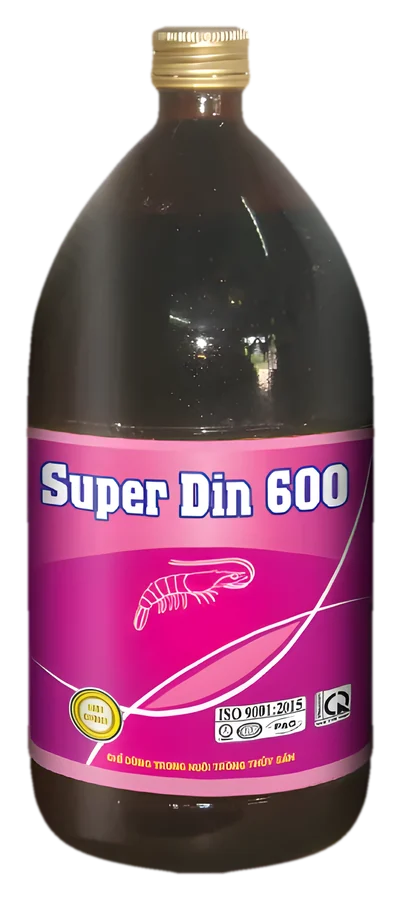
Probiotics & pond care
Super disinfectant, instantly kills bacteria, green Vibrio, fungi and protozoa
View detailsBlack spots on the shell are not harmful to consumers but lower the value of the shrimp. Treat early so the shrimp moult and their shells become clean again.
Heavy fouling makes it hard for shrimp to breathe, delays moulting and makes them prone to dying when oxygen is low. The attached protozoa need to be killed and the shrimp stimulated to moult.
Distributors, importers and brand owners: tell us what you need and we will reply with prices, specifications and documents within one working day.
+84 934 246 420WhatsApp / Zalo on the same number, or email thuocthuysannoben@gmail.com