Health, water colour & snail control
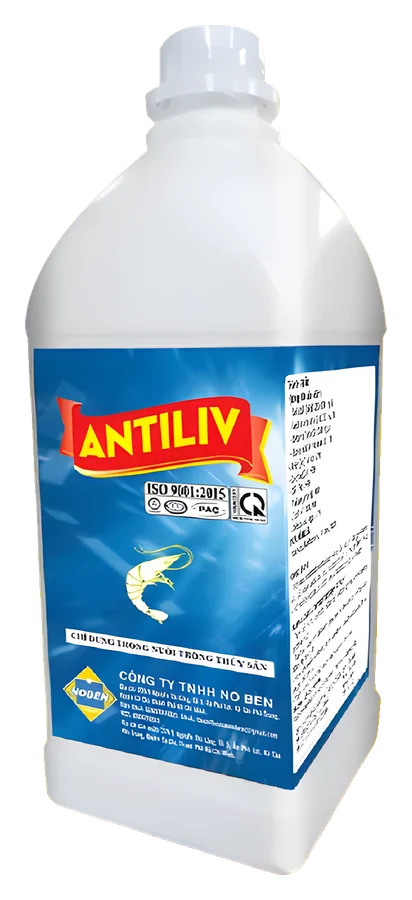
ANTILIV
Prevents and treats hepatopancreas disease such as atrophy, swelling, necrosis and early mortality
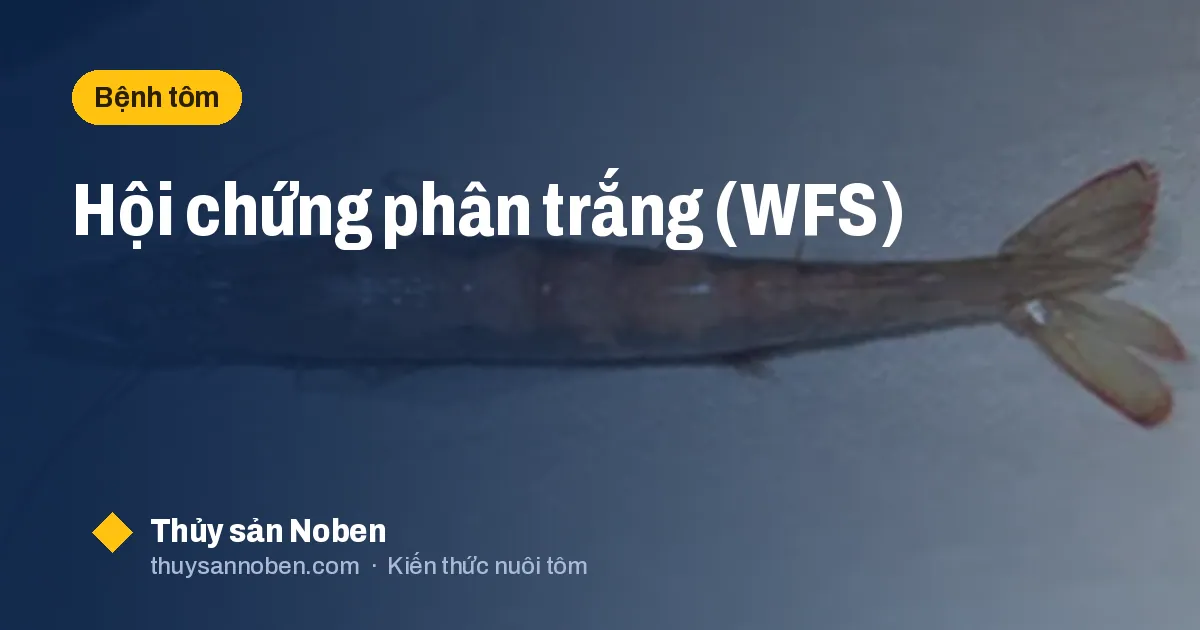
View detailsWhite feces, an atrophied or swollen hepatopancreas and a discontinuous gut are the group of diseases causing the greatest losses in whiteleg shrimp ponds from 10 to 70 days of culture. White feces is a multifactorial syndrome (Vibrio bacteria, gregarines, the microsporidian EHP, toxic algae), so effective management combines three approaches: cleaning up the pond environment, controlling the causative agents and restoring the hepatopancreas and gut. EHP has no in-pond cure and must be prevented with PCR-negative postlarvae and thorough pond preparation.
Check DO, pH and toxic gases; cut feed by 30–50% and skim off white feces every day
Treat the bottom with probiotics and reduce bacterial density in the water
Deworm the gut if microscopy shows gregarines
Mix products supporting white feces treatment and liver support into the feed as per label
Restore the gut with probiotics after the treatment course
Exact rates follow each product label and the condition of the pond. Contact thuocthuysannoben@gmail.com or WhatsApp +84 934 246 420 for technical advice.
Health, water colour & snail control
Prevents and treats hepatopancreas disease such as atrophy, swelling, necrosis and early mortality
View details
Health, water colour & snail control
Adds sorbitol to the daily feed for shrimp and fish
View details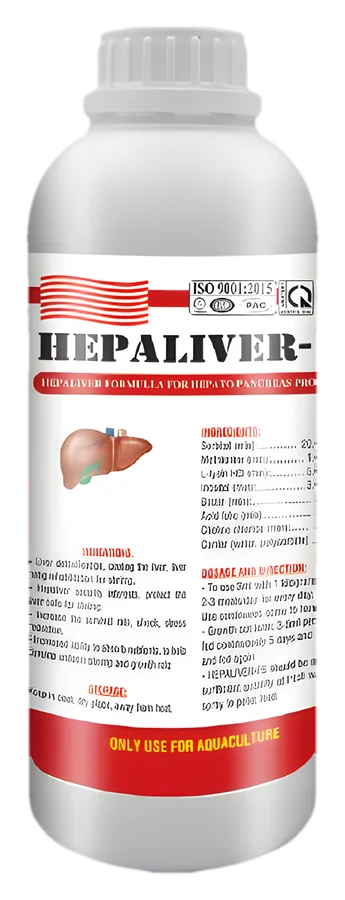
Feed supplements
Adds sorbitol, methionine, lysine and more to the daily feed for shrimp and fish
View details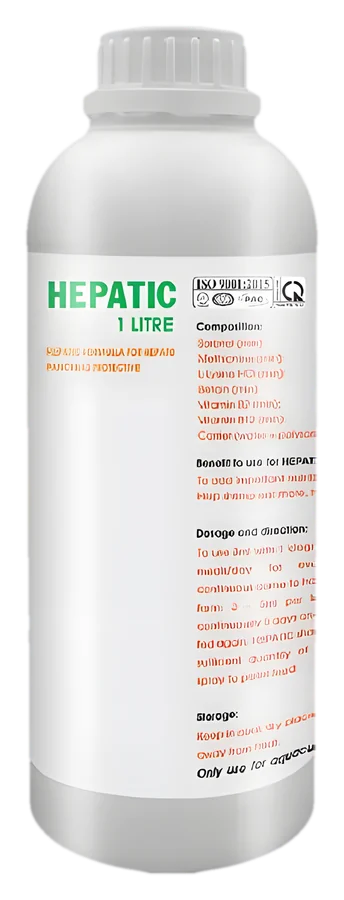
Feed supplements
Adds sorbitol, methionine, lysine and more to the daily feed for shrimp and fish
View details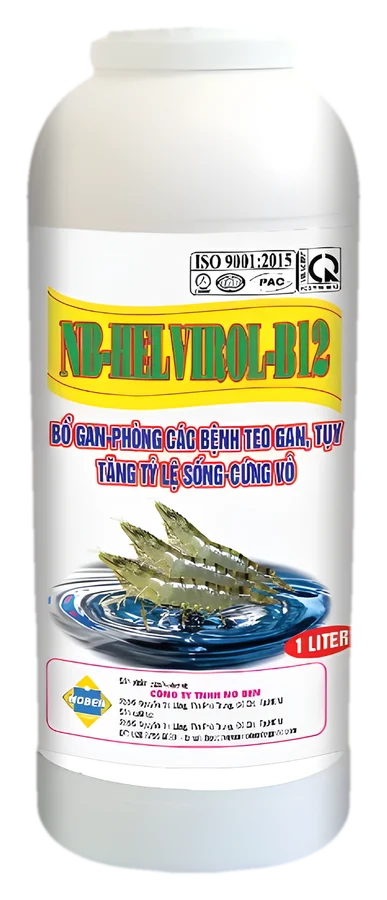
Feed supplements
Adds sorbitol, methionine, lysine and more to the daily feed for shrimp and fish
View details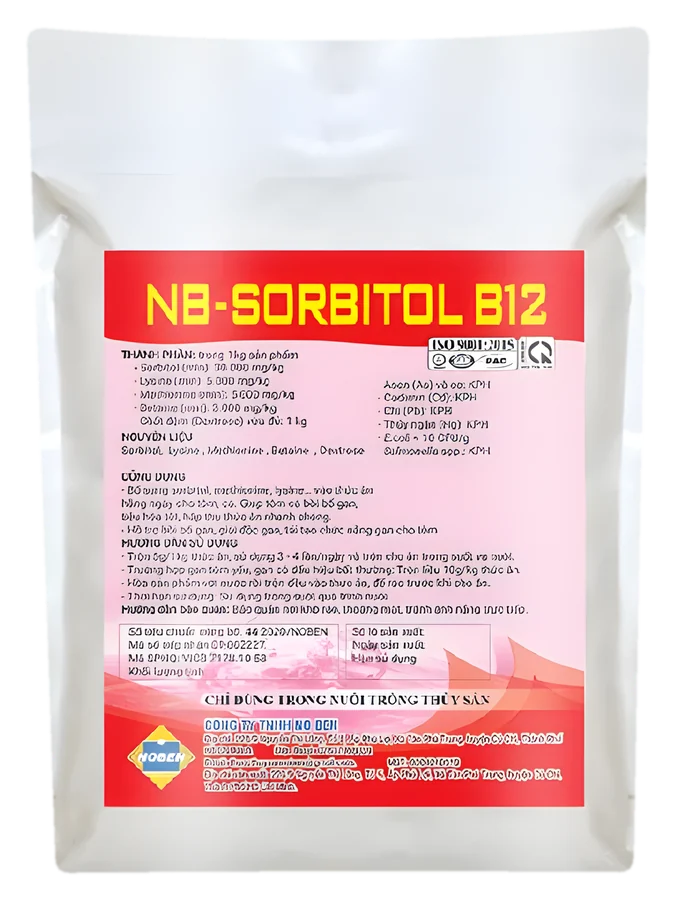
Feed supplements
Liver tonic: detoxifies and strengthens hepatopancreas function
View details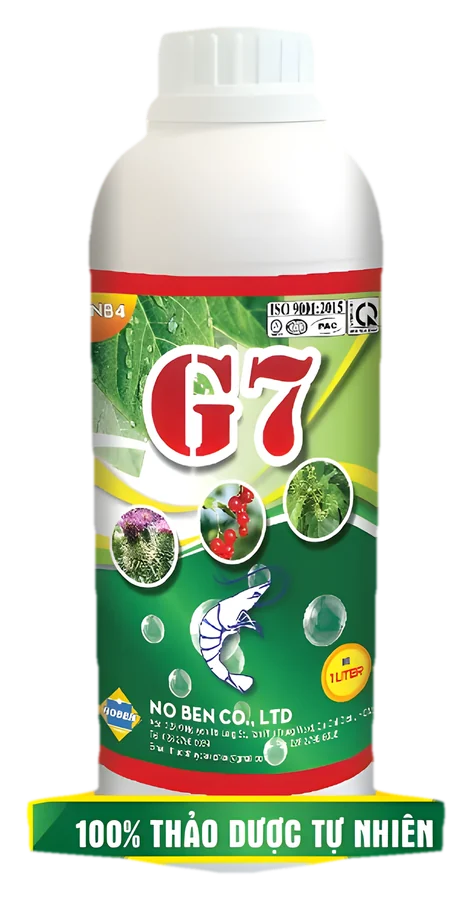
Health, water colour & snail control
Adds sorbitol, methionine, lysine and more to the daily feed for shrimp and fish
View details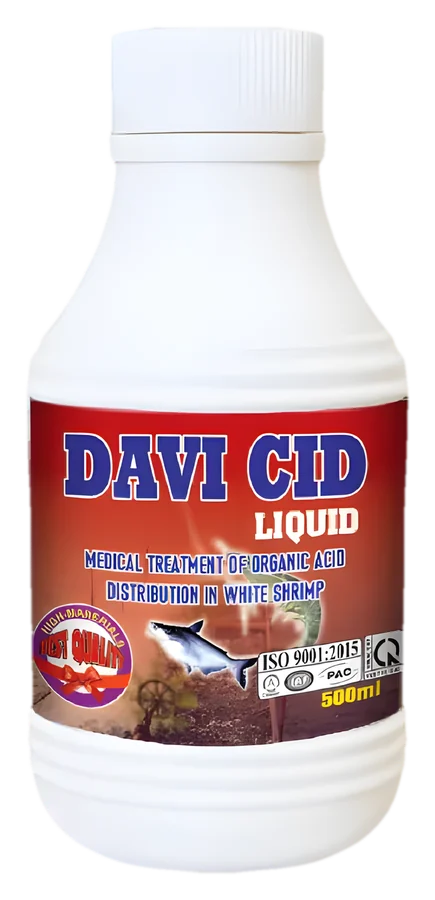
Feed supplements
Adds organic acids to shrimp and fish feed
View details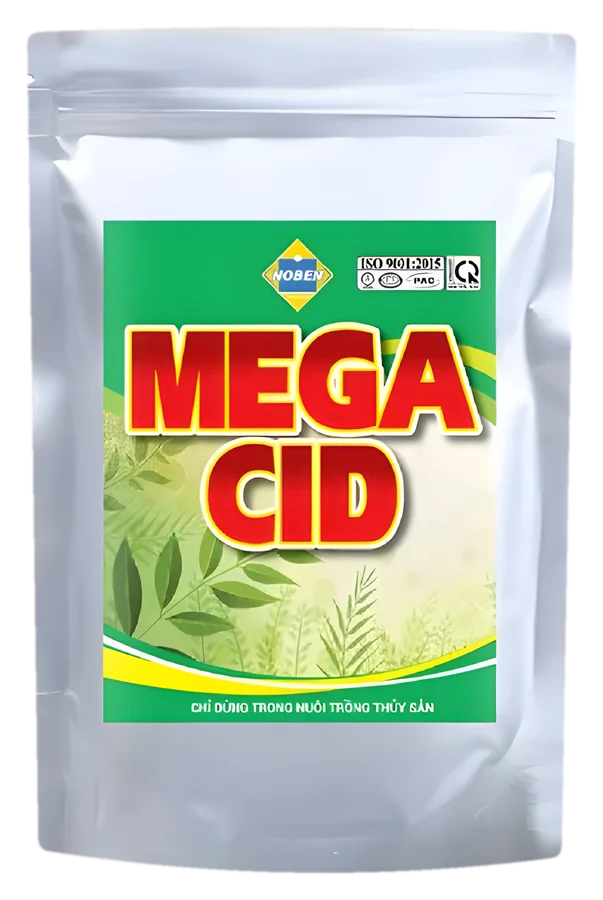
Feed supplements
Adds organic acids to shrimp and fish feed
View details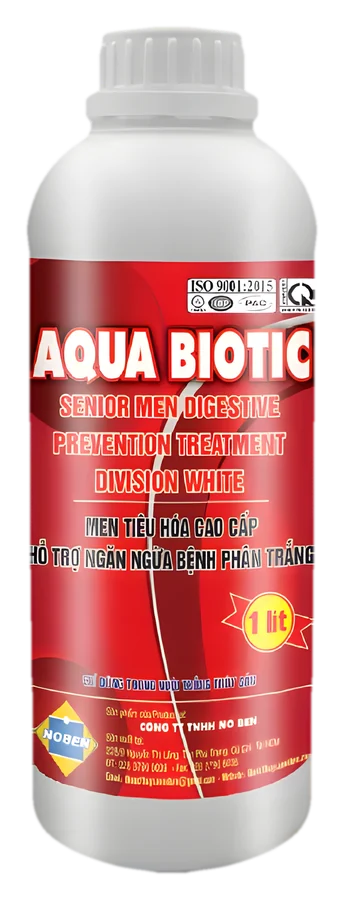
Feed supplements
Adds beneficial bacteria to the feed, helping shrimp and fish digest and absorb feed well
View details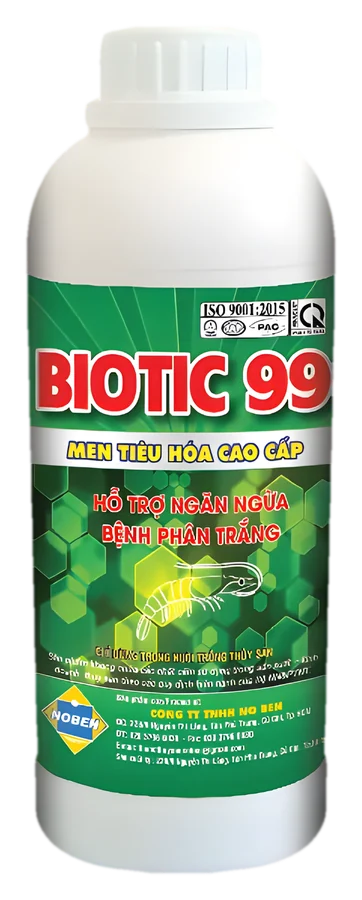
Feed supplements
Adds beneficial bacteria to the feed, helping shrimp and fish digest and absorb feed well
View details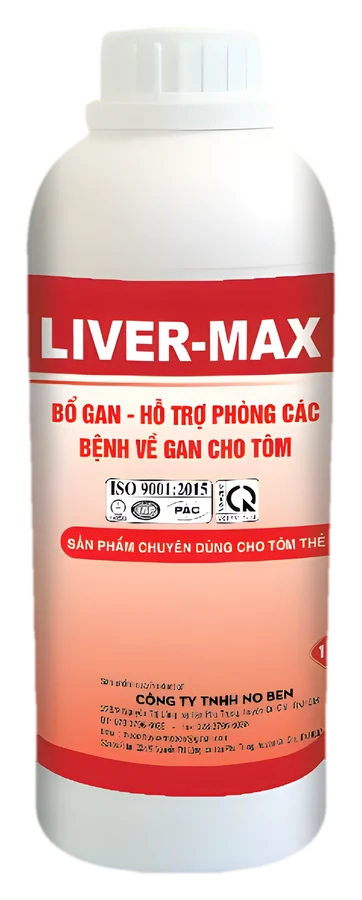
Feed supplements
Adds sorbitol, methionine, lysine and more to the daily feed for shrimp and fish
View detailsA shrunken, pale, white or swollen waterlogged hepatopancreas makes shrimp eat poorly, grow slowly and die sporadically. How to check it, common causes and liver support steps.
Whiteleg shrimp passing white faeces, faeces floating on the pond, discontinuous gut? A guide to early detection, causes (bacteria, parasites, EHP) and treatment steps.
Shrimp dying 10–35 days after stocking with a pale, atrophied hepatopancreas? Learn the signs of EMS/AHPND and an effective prevention routine for ponds.
Shrimp eating well but not growing, uneven in size, with white feces? The pond may have EHP. How to recognise, test for and prevent EHP from pond preparation.
AHPND usually kills shrimp within 30–35 days of stocking. How to prepare water, choose and nurse postlarvae, feed and test for Vibrio to cut early deaths.
White faecal strings floating in the pond may come from Vibrio, EHP, gregarines or sloughed hepatopancreatic microvilli. How to examine and test samples to find the cause.
No single product works for every pond. If the cause is parasites, the shrimp need deworming; if it is bacterial, they need a product supporting treatment of intestinal bacterial infection (antibiotics only on a veterinary diagnosis, using permitted compounds and observing withdrawal periods); if it is EHP, there is no specific treatment, only environmental and feed management. Always combine this with liver support and bottom treatment. Contact a Noben technician for advice matched to the actual cause.
With early detection and correct treatment, shrimp usually resume feeding after 3–5 days, and feces return to normal after about 7 days.
Distributors, importers and brand owners: tell us what you need and we will reply with prices, specifications and documents within one working day.
+84 934 246 420WhatsApp / Zalo on the same number, or email thuocthuysannoben@gmail.com