Acute hepatopancreatic necrosis disease (EMS/AHPND) in shrimp: signs and how to prevent early mortality
Shrimp dying 10–35 days after stocking with a pale, atrophied hepatopancreas? Learn the signs of EMS/AHPND and an effective prevention routine for ponds.
In this article
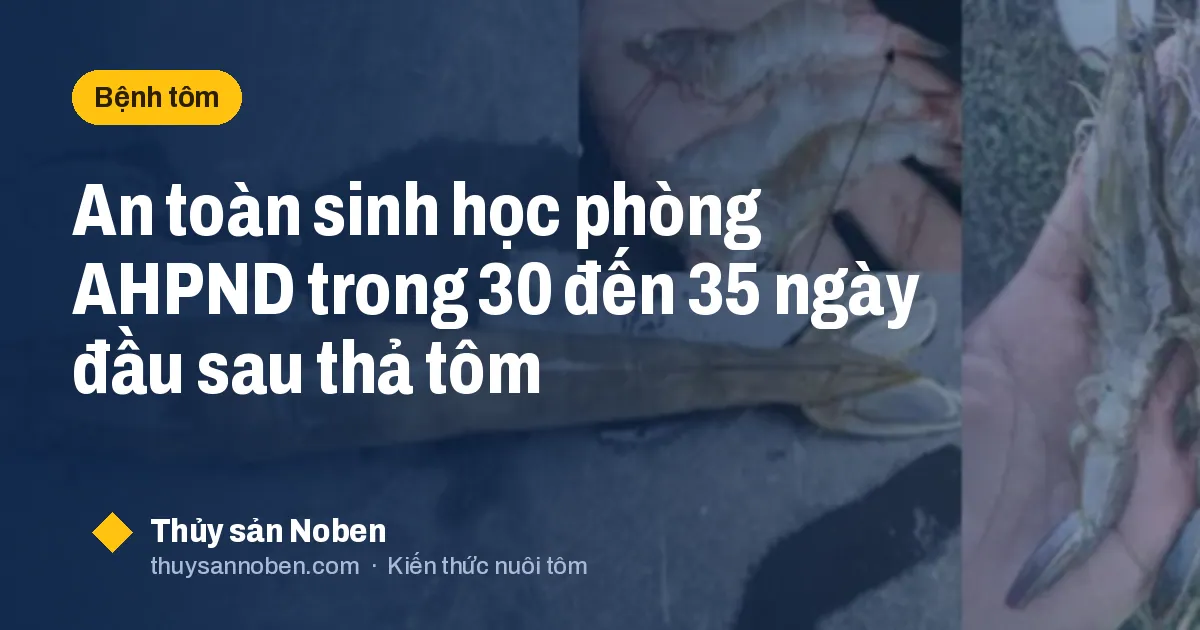
Acute hepatopancreatic necrosis disease, also called early mortality syndrome (EMS) or AHPND, causes mass mortality in whiteleg shrimp and black tiger shrimp in the first 10–35 days after stocking. Mortality can reach 70–100% within just a few days if prevention is poor.
Cause of the disease
The disease is caused by certain strains of Vibrio parahaemolyticus carrying toxin-producing genes. The toxins destroy hepatopancreas cells, so the hepatopancreas loses its digestive and absorptive functions.
Factors that trigger outbreaks:
- A pond bottom with a lot of organic sludge, uneaten feed and dead algae.
- High Vibrio density in the water, especially when temperature and salinity are high.
- Weak postlarvae carrying pathogens from the hatchery.
- Strong environmental fluctuations: large pH swings, algae crashes, prolonged rain.
Signs of acute hepatopancreatic disease
- Scattered mortality that then rises quickly around 10–35 days after stocking.
- Atrophied, pale or whitish hepatopancreas, sometimes swollen at first and then shrinking.
- Empty or discontinuous gut; shrimp suddenly stop eating.
- Shrimp swim lethargically, gather at the pond edge or sink to the bottom; soft shell, pale colour.
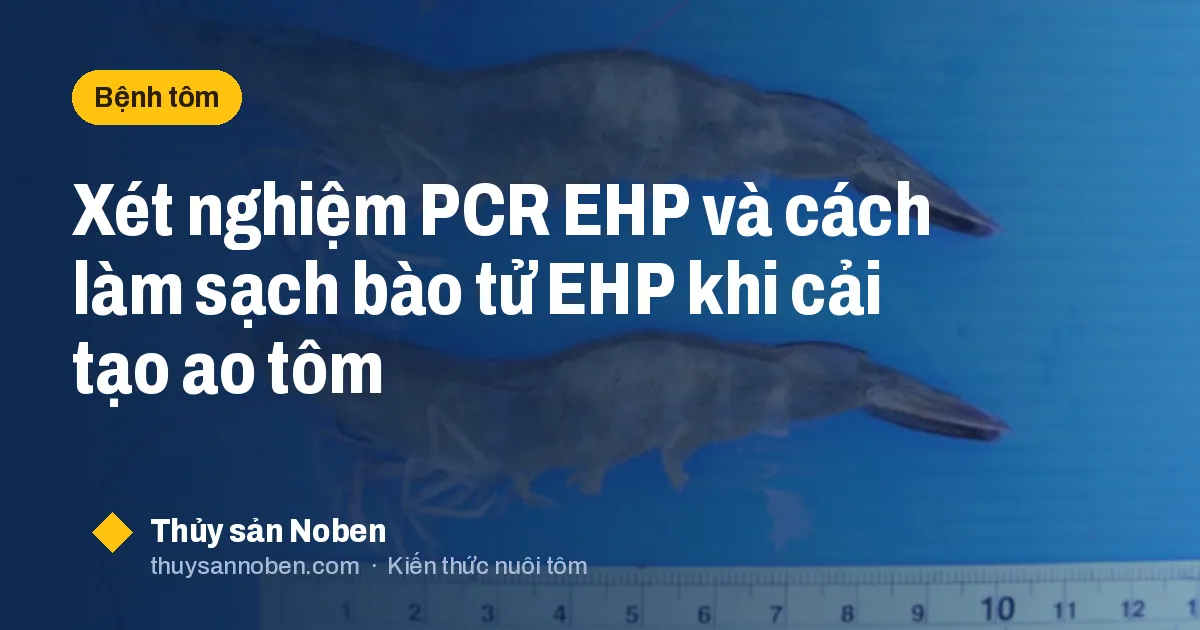
Farmers can send shrimp samples to a laboratory for PCR testing to confirm the disease.
How to prevent acute hepatopancreatic necrosis disease
There is still no specific treatment once shrimp are severely affected, so prevention is key.
Before stocking
- Prepare the pond thoroughly: remove sludge, dry the bottom, or clean the liner well.
- Disinfect the water source, wait 2–3 days for chemical residues to dissipate, then build water colour and inoculate beneficial probiotics, finishing 5–7 days before stocking.
- Select healthy postlarvae that have tested PCR-negative for AHPND.
In the first 45 days
- Feed just enough and avoid overfeeding; check feeding trays regularly.
- Apply bottom-treatment probiotics regularly, such as AQUA BAC, to keep the bottom clean and limit Vibrio.
- Add liver tonics and liver detox products to feed, such as SORBEST, HEPALIVER FS or the herbal product G7.
- Stabilise pH and alkalinity, keeping the day–night pH swing within 0.5.
What to do when a pond shows signs of disease
- Cut feed by 50% or skip 1 feeding, and monitor closely.
- Increase aeration and check dissolved oxygen (≥ 4 mg/L) and pH; siphon and treat the bottom. If the water is disinfected with an approved chemical, wait 2–3 days before re-inoculating probiotics.
- Mix liver-support products such as ANTILIV or LIVER MAX into feed according to the label instructions, and send samples for PCR testing to confirm the disease.
- If mortality is high and the shrimp have reached a saleable size, consider an early harvest to limit losses.
Never use antibiotics for prevention, and never use banned antibiotics. Antibiotics may only be used following a diagnosis by a veterinary officer, must be on the list of approved products, and the withdrawal period before harvest must be respected.
Frequently asked questions
Does acute hepatopancreatic disease spread between ponds?
Yes. The bacteria spread via water, equipment, birds and dead shrimp. Farmers should use separate equipment for each pond and treat wastewater and dead shrimp properly.
Do black tiger shrimp get EMS?
Yes. The disease occurs in both whiteleg shrimp and black tiger shrimp, and is usually most severe in small shrimp.
Why is the shrimp hepatopancreas atrophied and pale?
An atrophied, pale hepatopancreas is a sign of liver damage, which may be caused by bacterial toxins, parasites or poor feed. The gut and the environment should also be checked to determine the cause.