White spot disease (WSSV) in shrimp: signs and prevention
WSSV white spot can kill a whole pond within 3–10 days. How to spot white spots on the shell, when outbreaks occur and a biosecurity prevention routine.
In this article
White spot disease, caused by WSSV (White Spot Syndrome Virus), is one of the most dangerous diseases in shrimp farming. The virus spreads very fast, and shrimp in almost an entire pond can die within just 3–10 days after the first signs appear.
Signs of white spot disease
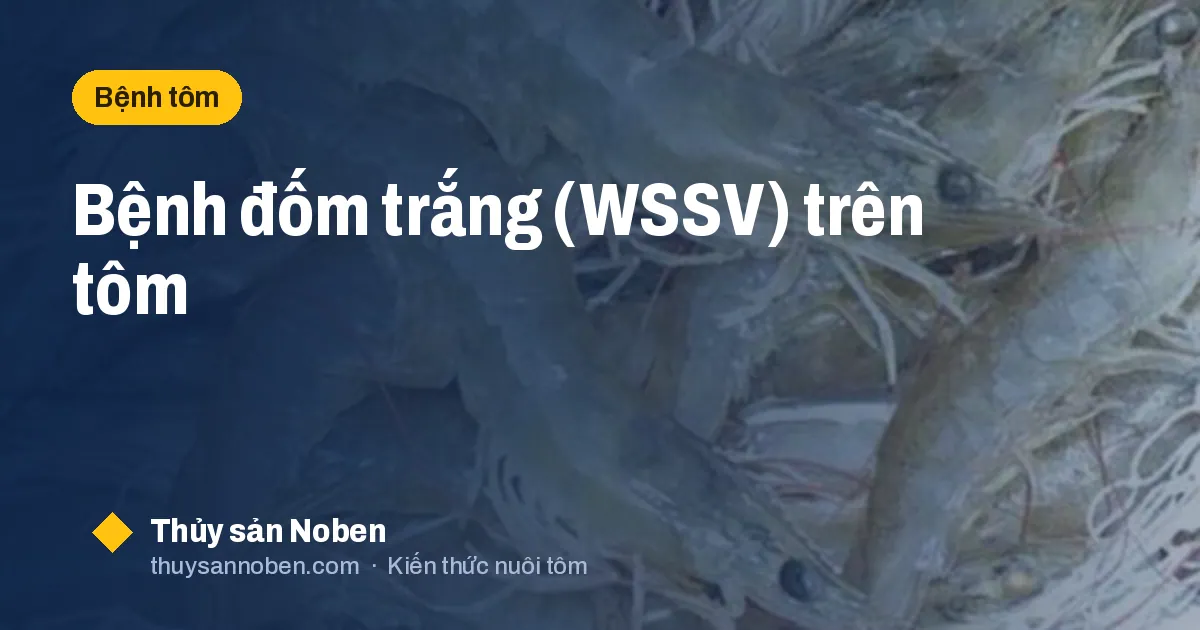
- Round white spots, 0.5–2 mm in diameter, appear under the carapace (cephalothorax shell), then spread to the abdominal segments. Peel the shell and hold it against the light to see them clearly.
- Shrimp suddenly eat less, swim lethargically, gather at the pond edge or come up to the surface.
- Some shrimp have a pink or light red body.
- Mortality rises quickly day by day, starting with the larger, stronger shrimp.
Note: white spots can also be caused by bacteria or by high-alkalinity water depositing minerals on the shell. To be sure, farmers should carry out PCR testing.
Conditions that trigger outbreaks
- Sudden temperature changes, especially during seasonal transitions, prolonged heavy rain, or when water temperature falls below 28°C.
- Intake water contaminated with virus from surrounding diseased ponds.
- Wild crustaceans (crabs, fiddler crabs, small shrimp, copepods), birds and equipment carrying the pathogen into the pond.
- Postlarvae carrying the virus from the hatchery.
Preventing white spot disease
There is currently no cure for white spot disease. Prevention based on biosecurity principles is the only approach.
- Select disease-free postlarvae with a PCR-negative result for WSSV.
- Settle, filter and disinfect water before supplying it to grow-out ponds; use disinfectant products such as BEN IQ or IODINE 99 as instructed; wait 2–3 days after disinfection before building water colour and adding probiotics.
- Install crab-proof fencing and bird-deterrent lines, and use separate equipment for each pond.
- Keep temperature and the environment stable: raise the water level and cover with netting in the cold or rainy season; keep algal density and pH stable, for example with SUPER VIDAL, which supports algae and pH stabilisation, used per the label.
- Boost resistance in bad weather: add BETA 1.3, vitamin C such as VITA C (pond application) or NB C SORMIN to reduce stress.
What to do when a pond is infected with white spot
- Immediately inform the local veterinary officer and neighbouring farms.
- Do not discharge water from the diseased pond into the environment. Inactivate the virus in the pond according to veterinary authority guidance before discharging.
- If the shrimp have reached marketable size, consider an early harvest.
- After the disease crop, prepare the pond thoroughly, dry the bottom, eliminate crustaceans and let the pond rest before the next crop.
Frequently asked questions
Can white spot disease be cured?
There is no cure once shrimp are infected with the virus. Farmers can only prevent the disease and limit losses through early detection and timely harvesting.
Why do shrimp often get white spot in the cold season?
Low and suddenly changing water temperatures weaken shrimp, while WSSV is highly active at temperatures below 30°C.
How long after white spot can a pond be restocked?
After treatment, preparation and drying, the pond should rest for at least 2–4 weeks, all wild crustaceans should be eliminated, and the water source tested before stocking the next crop.